Methods Of Waste Disposal On Construction Sites
The traditional disposal way for construction waste is to send it to landfill sites. Construction projects should always plan and design to avoid waste being produced on-site however where this is not possible it is important to follow the waste hierarchy Figure 3 by exploring the next tiers down.
 Recycle Construction Waste An Overview Construction Waste Recycling Containers Recycling
Sending the waste directly to a landfill causes many problems.

Methods of waste disposal on construction sites. A storage shed shall be constructed to store scheduled wastes. The most practical and effective construction waste disposal method is to hire skips from a waste removal company. Reducethe amount of waste you create using waste prevention measures.
Deconstruction is an alternative for demolition and it is known for being a reuse strategy according to the US Green Building Council USBGC. Construction activities can generate large amounts of waste materials that then need to be disposed of. You should ensure that you hire the necessary number of skips to separate recycling and waste as well as hazardous and non-hazardous waste.
Some certain components of construction waste such as plasterboard are hazardous once landfilled. For instance concrete waste can be crushed and used as recycled aggregate. The key to successful recycling is to segregate waste as you go using different skips or containers for different materials.
Re-use materials to avoid waste being created. Show Sources of Construction Waste Generation. Effective and timely replacement of the segregated binscontainers to the waste disposal areas.
Contractor will provide appropriate treatment of the waste through recycling reuse landfilling incineration or medical waste disposal incineration. 3- Waste Collection and Storage. They may simply be redecorated moved or reconfigured.
The non-organic part of the waste is converted to slag cooled tightly bound solid waste which can be used in construction as a raw material. Recycling of construction waste is one way to counter risk to construction wastes. Is lawfully destined for disposal in landfills regulated under Code of Federal Regulations CFR 40 subtitles D and C.
The sites of construction demolition restoration and remodeling projects often produce hazardous waste. Contractors need to appreciate that it is possible to produce hazardous waste during construction activities from the disposal of off-cuts part-used bottles and unused materials either bought in excess or in error. Donate Unwanted Construction Materials Some construction waste or materials that are useless to us may help some local or needful people.
Excess insulation from exterior walls can be used in interior walls as noise deadening material. Have reuse and recycle bins on site. Recycling is crucial in the effort to prevent valuable materials from ending up in the landfill with the potential to turn 100 percent of non-hazardous waste back into new construction products.
The best and safe disposal methods of Non-hazardous Construction waste are. Construction waste materials are heavy dense bulky in characteristics and it needs more storage space and cannot follow standard waste disposal methods. Construction waste disposal - Designing Buildings Wiki - Share your construction industry knowledge.
Deconstruction instead of demolition. So the invention of proper technology to recycle these materials is of great importance. Most construction and demolition waste currently generated in the US.
Using trash chutes to get waste out of the site is one good way of safe waste disposal. Land Surveys Seattle Public Utilities provides land survey services only to other City of Seattle departments but has data for everyone to use. Brick concrete and masonry can be recycled on site as fill subbase material or driveway bedding.
In some cases inert types of construction and demolition materials are used as a daily cover material. Heavy and bulky materials like the following are some examples of construction and demolition materials. Reduce Reuse Recycle are the most commonly adopted principles for waste management in the construction industry also in any other waste management sector.
Collection Disposal Construction projects can learn how to salvage or dispose of solid waste during and after the build including hauling requirements and dust control. Some of this may happen naturally. In remodeling projects walls are not necessarily demolished.
In some areas all or part of construction and demolition waste stream is unlawfully deposited on land or in natural drainages including water contrary to regulations to protect human health commerce and the environment. Identify materials that can be reused and recycled before the project begins. Make sure all workers know how to sort the waste as it is created.
Construction and demolition materials consist of debris that is generated during construction renovation and demolition of buildings roads and bridges. Opt for Deconstruction Before Demolition. Waste is placed over the liner and leachate collection system and then covered at the end of each day with six inches of soil or an alternative daily cover NSWMA 2008.
In addition at the end of a buildings life it may be deconstructed or demolished generating significant amounts of waste. Industries that strive to achieve zero waste prefer this waste disposal method. Account for potential construction site waste in the planning process.
The smartest way to recycle construction waste is to integrate it back into the new building or the new building site. The process of deconstruction is selectively disassembling a building piece by piece to preserve materials and eliminate waste. Disposing of Your Construction Waste.
Plasterboard is broken down in landfill conditions releasing hydrogen sulfide a toxic gas. If you determine that certain materials cannot be reduced or reused then your remaining options are to recycle andor dispose of them. De-papered and crushed gypsum can be used in moderate quantities as a soil amendment.
 Waste Management Flow Chart Organic Recycling Construction Waste Recycling
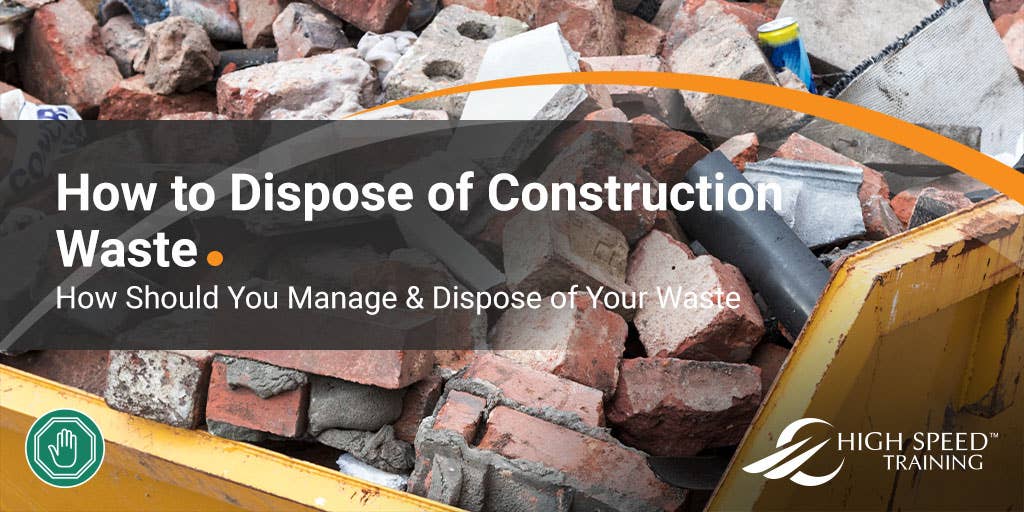 Disposing Of Construction Waste Different Types What To Do
Construction Wastes Types Causes And Recycling Strategies
 Methods Of Solid Waste Disposal And Management Solid Waste Waste Disposal Method
